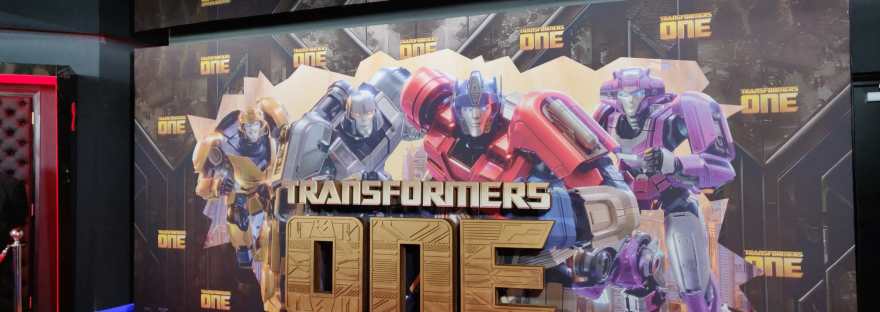
Please be aware that we will be sharing detailed information and spoilers for Transformers One that you may wish to avoid if you haven’t yet seen the film. But if you are undecided about whether to watch it or not it could also be just what you need.
What Are the Key Moments in Transformers One?
Highlights of the Transformers One Plot
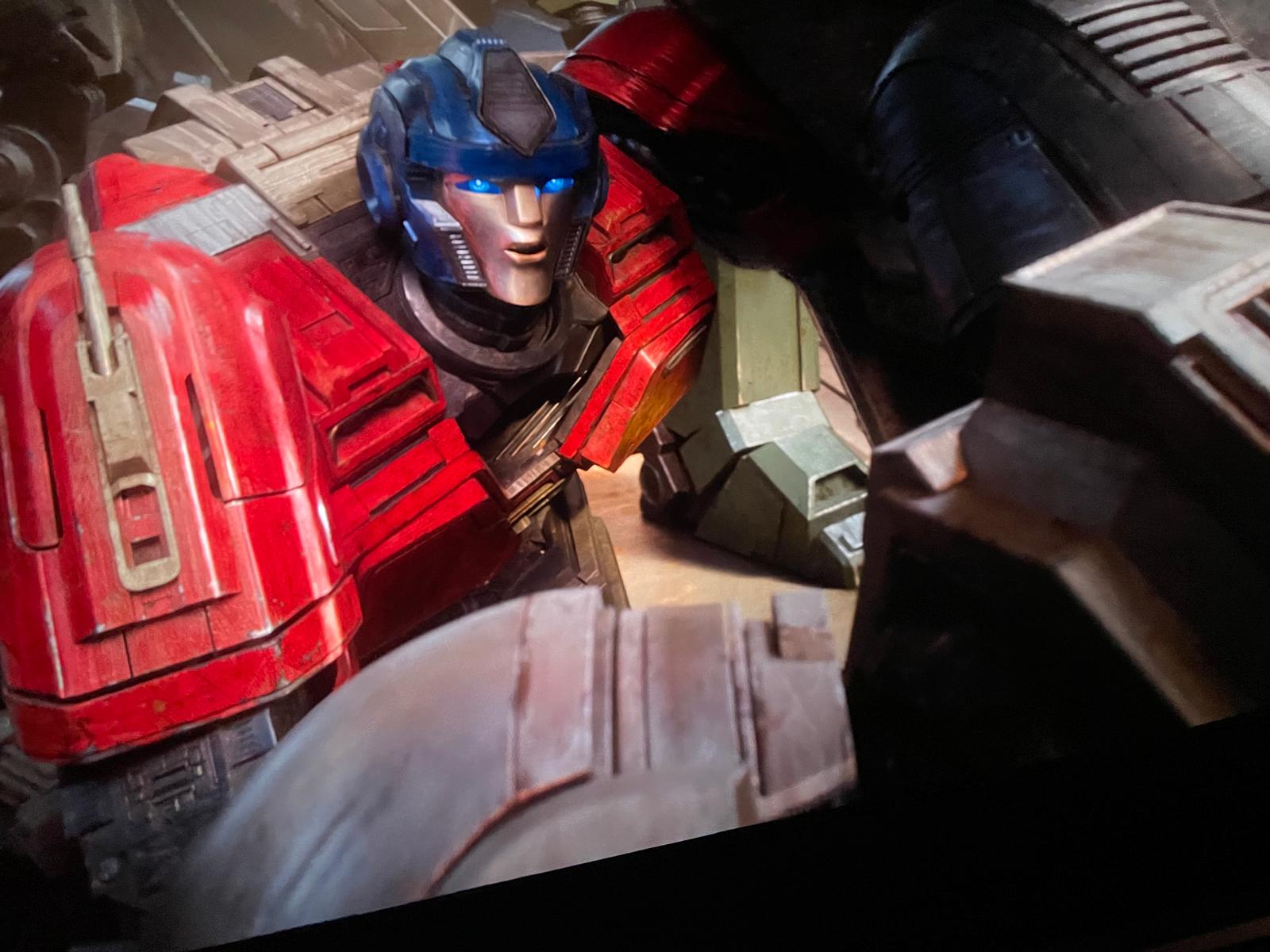
Transformers One focuses on the origins of the legendary conflict between the Autobots and Decepticons, specifically exploring the friendship and eventual rivalry between Orion Pax (Optimus Prime) and D-16 (Megatron). The film is packed with crucial moments that set the stage for the civil war that tears Cybertron apart. It begins with Orion and D-16 as close friends who share the same ideals, but as Cybertron faces destruction, their views diverge, leading to betrayal and conflict.
Character Arcs: Optimus Prime and Megatron
The development of Optimus Prime and Megatron is central to the movie. Orion Pax, initially idealistic and hopeful, begins to see himself as the leader the people need, evolving into the noble Optimus Prime. D-16, on the other hand, grows more disillusioned with Cybertron’s leadership, which pushes him toward a darker path, transforming him into the menacing Megatron. Their once-strong friendship deteriorates into a bitter rivalry, a turning point for both characters and the larger narrative.
Female Representation in Transformers One
Transformers One places a strong emphasis on showcasing powerful female characters, with Elita – 1 at the forefront. Voiced by Scarlett Johansson, Elita – 1 is portrayed not just as a warrior but as a leader who plays a vital role in the Autobot resistance. Her character offers a refreshing take on female leadership in the Transformers universe, standing shoulder-to-shoulder with Orion Pax (Optimus Prime) as they fight to save Cybertron.

Elita-1’s presence in the film reflects a broader trend toward better female representation in traditionally male-dominated franchises. Her storyline underscores the importance of having strong, multidimensional female characters who contribute significantly to the overarching narrative. Additionally, her courage and intelligence challenge the typical damsel-in-distress trope, presenting her as an equal partner in the battle for freedom and justice. This makes Transformers One not only a thrilling action film but also one that celebrates the growing diversity in its character dynamics, making it more relatable to female audiences.
Bumblebee (B-127) in Transformers One
Bumblebee, originally known as B-127, plays a key role in Transformers One as a younger version of the fan-favorite Autobot. Voiced by Keegan-Michael Key, B-127 is depicted as a skilled scout and a loyal ally to Orion Pax (Optimus Prime) in the early stages of the war on Cybertron. While Transformers One focuses heavily on the relationship between Optimus and Megatron, Bumblebee’s character serves as a vital part of the Autobot team, showcasing his bravery and resourcefulness even before he becomes the iconic yellow hero.
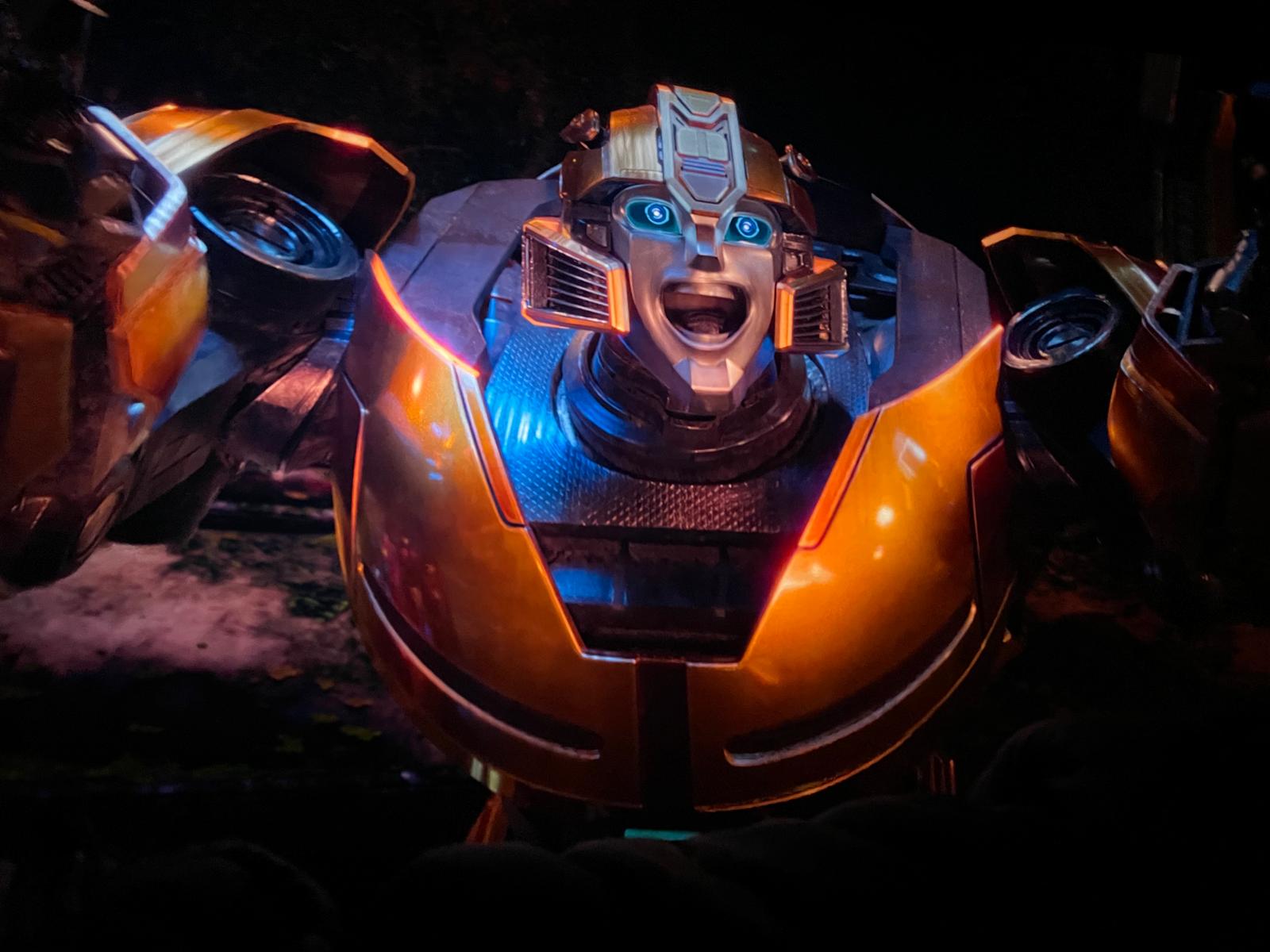
The film explores B-127’s role on Cybertron before his arrival on Earth, offering a glimpse into his early missions and how he supports the Autobot cause. His youthful energy and determination make him stand out, even in a story dominated by larger-than-life leaders like Optimus and Megatron. In contrast to his more war-weary persona in the live-action films, Transformers One portrays him with a lighter, more affable tone, reflecting his growth over the course of the series.
As B-127, Bumblebee retains his signature characteristics of loyalty, quick thinking, and unshakeable dedication to his friends, setting the foundation for the character audiences know and love. This film gives fans a chance to see Bumblebee before he adopts his Earth-bound disguise, offering a fresh perspective on one of the most beloved Transformers.
Bumblebee (B-127) and Elita-1: Breaking and Reinforcing Stereotypes
In Transformers One, Bumblebee (B-127) and Elita-1 play key roles in the Autobot faction, each representing different archetypes that both challenge and reinforce traditional gender and character stereotypes. Their dynamic offers an interesting contrast in how male and female characters are portrayed within the same universe.
Bumblebee, as B-127, is often characterized as the underdog. He embodies the classic “young, scrappy, and eager” stereotype often assigned to male sidekicks or supporting characters. His optimism and willingness to take risks position him as a reliable, though often underestimated, character. His portrayal in Transformers One follows this same trajectory, with Bumblebee acting as a capable scout and warrior, but still not quite taking center stage alongside the more dominant leaders like Optimus Prime and Megatron. This plays into the trope of the “loyal follower” who brings heart and determination to the story but remains secondary to the primary conflict.
Elita-1, voiced by Scarlett Johansson, brings a contrasting yet complementary energy. While Transformers media has historically been male-dominated, Transformers One presents Elita-1 as a strong, intelligent leader who significantly influences Orion Pax (Optimus Prime). She avoids the “damsel in distress” stereotype and instead embodies strength, wisdom, and strategic thinking. However, at times her role may still fall into the classic “supportive female character” trope, as her primary function revolves around motivating and supporting Optimus rather than being at the forefront of the action herself.
What’s particularly interesting is the way the dynamic between B-127 and Elita-1 reflects traditional male and female archetypes. Bumblebee’s youthful exuberance and somewhat reckless bravery contrast with Elita-1’s composed, thoughtful approach. This dynamic subtly reinforces the stereotype of men being impulsive and action-oriented, while women are portrayed as more measured and strategic. Despite this, both characters demonstrate significant agency and strength within their roles, showing that Transformers One makes efforts to move beyond one-dimensional gender portrayals.
Bumblebee’s character arc highlights his growth from a follower to a more self-assured warrior, while Elita-1’s presence as a strategic force underscores her value beyond being just a side character. Together, their interactions help balance the narrative, reflecting the evolving nature of gender roles in modern storytelling.
By exploring both characters in depth, Transformers One provides a nuanced look at how traditional stereotypes are both challenged and occasionally upheld, making their roles engaging for a diverse audience. Their dynamic enriches the overall narrative, especially in how it impacts Orion Pax’s eventual rise as Optimus Prime and the larger conflict on Cybertron.
Significant Events on Cybertron
The fall of Cybertron plays a pivotal role in Transformers One. The planet’s impending collapse mirrors the rising tensions between the Autobots and Decepticons. The film’s depiction of Cybertron’s destruction drives the narrative, as both factions form under the leadership of their respective heroes. Key events, such as intense battles and personal betrayals, highlight the stakes of the war and shape the destiny of both Optimus Prime and Megatron. Meanwhile, characters like Elita-1 add further depth to the story, influencing crucial decisions that impact Cybertron’s future.
What Should I Know About the Post-Credits Scene?
Analysis of the Post-Credits Scene
The post-credits scene in Transformers One packs a surprising blend of critical plot setup and lighthearted humour. The scene largely focuses on the continued rise of Megatron and the Decepticons, setting the stage for future conflicts in the Transformers cinematic universe. We see Megatron solidifying his grip on Cybertron, hinting at the massive war to come between the Autobots and Decepticons. This scene teases not only new battles but the deeper ideological divide that will shape the franchise’s future.
Amidst this intense buildup, the post-credits also delivers a comedic twist involving “Steve,” a quirky robot who makes a brief but memorable appearance. This light-hearted moment serves as a fun break, providing some levity at the end of an otherwise weighty scene. Steve’s character, who had a minor role in the main story, wins the audience over with his humorous interaction, leaving fans intrigued about his potential for future films. His scene may initially seem inconsequential, but it cleverly balances the darker tones while hinting at the inclusion of more diverse character dynamics in the ongoing saga.
Implications for Future Transformers Films
The post-credits scene firmly sets the stage for future films by showcasing the strengthening of Megatron’s forces, signalling the continuation of the Autobots vs. Decepticons conflict. The scene hints at new characters and story arcs, likely expanding the Transformers universe with deeper lore and more significant battles. Fans can expect larger-scale confrontations as Megatron’s power grows and Optimus Prime prepares to lead the Autobots in the looming civil war on Cybertron.
Moreover, the inclusion of Steve adds another layer to the franchise, suggesting that future films might not only focus on epic battles but also explore smaller, quirky characters. This lighter moment opens the door for a blend of humour and action, which could be a refreshing balance in future Transformers films. Steve’s scene might hint at his growing role, giving fans more to look forward to beyond the primary conflict.
How Does the Film Portray the Autobots and Decepticons?
Understanding the Autobot Perspective
In Transformers One, the Autobots are depicted as the more hopeful and idealistic faction, led by Orion Pax, who eventually becomes Optimus Prime. The film highlights the early days of their formation, showcasing their desire to protect the freedom and integrity of Cybertron. The Autobots are portrayed as defenders of justice and equality, representing the working class who have been suppressed by corrupt leadership. As Orion Pax grows into his role, his commitment to unity and peace defines the Autobot cause, reflecting their values of cooperation and resistance to tyranny.
Orion’s leadership is rooted in moral righteousness and a desire to prevent Cybertron’s total collapse. His character embodies the Autobot philosophy of putting the greater good first, even at great personal cost. This portrayal humanizes the Autobots, emphasizing their struggle not just as warriors, but as individuals fighting for a better future for all Cybertronians.
The Role of Decepticons in the Narrative
The Decepticons, led by D-16 (who later becomes Megatron), are portrayed with a more complex origin in Transformers One. Initially, the Decepticons are presented as the disillusioned opposition to the status quo, born out of frustration with Cybertron’s political corruption and injustice. D-16’s transformation into Megatron marks the shift from rebellion to ruthless ambition. His ideological stance begins as a valid critique of Cybertron’s leadership, but as the film progresses, it becomes clear that Megatron’s thirst for power and control leads him down a darker path.
The Decepticons are shown as more militaristic and aggressive, embodying a “might makes right” mentality that contrasts sharply with the Autobots’ more cooperative approach. This divide is critical to understanding the larger conflict that defines the Transformers saga, where the Decepticons are willing to sacrifice freedom for order under their control. Their role in the narrative serves to illustrate the broader themes of power, authority, and rebellion.
Character Traits of Starscream and Soundwave
Starscream and Soundwave are two key Decepticons who play significant roles in Transformers One. Starscream is portrayed as cunning, ambitious, and treacherous, constantly seeking to undermine Megatron while still pretending to serve his cause. His manipulative nature and lust for power make him one of the more untrustworthy characters within the Decepticon ranks, adding layers of internal conflict to the Decepticon side.
Soundwave, on the other hand, is portrayed as loyal, cold, and highly efficient. His dedication to Megatron is unwavering, and he serves as the Decepticons’ chief communications officer, handling intelligence and surveillance with precision. His calm, calculating demeanour contrasts with Starscream’s more volatile and self-serving personality, emphasising the diversity of characters within the Decepticon faction. Both characters contribute to the overall narrative by highlighting the internal dynamics and challenges within Megatron’s camp, adding depth to the portrayal of the Decepticons in the film.
Who Makes Cameos in Transformers One?
Identifying Major Cameo Appearances
In Transformers One, there are several notable cameos that fans and newcomers alike will appreciate. While much of the film focuses on the central characters of Orion Pax (Optimus Prime) and D-16 (Megatron), a few unexpected characters make brief appearances. Among them are some familiar faces from both the Autobots and Decepticons, as well as lesser-known figures from the broader Transformers lore.
One such cameo is Shockwave, a loyal Decepticon who makes a brief appearance as part of Megatron’s rising power. His cold, logical persona adds tension to the growing Decepticon ranks. Additionally, Jazz, a fan-favourite Autobot, appears as part of the early resistance efforts on Cybertron, offering a glimpse of his role before the war fully escalates.
Moreover, there’s a comedic cameo from a minor character referred to as Steve, a quirky robot who injects a moment of levity into the film, particularly in the post-credits scene. Steve’s brief, humorous moment has left a lasting impression on viewers, adding some fun in an otherwise intense storyline.
Impact of Celebrity Voices: Chris Hemsworth and Brian Tyree Henry
One of the biggest draws for Transformers One is its star-studded voice cast. Chris Hemsworth lends his voice to the younger version of Optimus Prime, known as Orion Pax. Hemsworth’s portrayal brings a fresh take to the character, showing Optimus in his more idealistic and less battle-hardened days. His charismatic performance adds depth to the role, highlighting the transformation of a simple worker into a leader of the Autobots.
Similarly, Brian Tyree Henry voices D-16, the future Megatron. His performance masterfully captures the emotional complexity of a character who begins as a friend and equal to Orion Pax but gradually shifts toward a darker path. Henry’s portrayal brings both gravitas and nuance, making Megatron’s descent into villainy feel all the more tragic.
These celebrity voices not only add star power but also elevate the characters with their distinct performances, helping Transformers One stand out as a key entry in the franchise.
What Are the Easter Eggs and References in the Movie?
Notable Easter Eggs for Fans
Transformers One is packed with Easter eggs that will excite longtime fans of the franchise, paying homage to earlier cartoons, comics, and films. One of the most prominent Easter eggs is the appearance of Orion Pax’s original design, which closely resembles his look in the 1980s Transformers cartoon, offering a nostalgic nod to the character’s origins before he becomes Optimus Prime.
Another notable Easter egg is the appearance of the Matrix of Leadership, a crucial object in the Transformers universe that has been central to Optimus Prime’s character in many adaptations. While it doesn’t play a major role in the plot of Transformers One, its brief appearance teases future importance in the development of Optimus as a leader.
Additionally, the film sneaks in references to classic Transformers catchphrases like “One shall stand, one shall fall,” which is subtly echoed in Orion Pax and Megatron’s early conversations, foreshadowing their ultimate rivalry.
There’s also a humorous nod to Starscream’s infamous ambition to overthrow Megatron, a recurring theme in nearly every iteration of the character. In Transformers One, Starscream is briefly seen hinting at his disloyal nature, which fans will immediately recognize as a reference to his backstabbing tendencies in previous media.
Connections to the Previous Transformers Franchise
Though Transformers One is a prequel and stands apart from the live-action films, it includes several clever connections that link back to the earlier franchise. For example, the portrayal of Cybertron’s collapse draws parallels to the depiction of the planet in Transformers: Dark of the Moon and Bumblebee, giving fans a sense of continuity between the animated prequel and the live-action universe.
The film also includes a reference to Alpha Trion, a character known as one of the oldest and wisest Autobots, who previously appeared in the animated series. His role as a mentor figure in Transformers One ties into his past portrayals, particularly in how he influences Orion Pax’s evolution into Optimus Prime.
Finally, the post-credits scene featuring a gathering of Decepticons hints at future showdowns between Optimus Prime and Megatron, setting up connections to the larger conflict depicted in the previous films. This scene also includes brief appearances by Soundwave and Shockwave, characters that played major roles in the live-action movies, further linking the two universes.
These Easter eggs and references enrich the viewing experience for fans familiar with the Transformers lore, providing rewarding moments of recognition while also advancing the storyline of Transformers One.
How Does the Animation Style Affect the Storytelling?
Visuals and Animation Techniques in Transformers One
The animation style of Transformers One plays a crucial role in shaping the overall tone and narrative of the film. Moving away from the live-action format of previous Transformers films, this fully animated prequel embraces a more fluid, vibrant aesthetic that allows for greater creative freedom in depicting Cybertron and its inhabitants. The animation uses high-quality CG techniques, with smooth character movements and visually rich environments, which help convey the scale and complexity of Cybertron before its collapse.
The ability to animate transformations and battles in this format gives the story more dynamism. Instead of relying on the limitations of live-action, the animators can push the boundaries of what’s possible, crafting more intricate transformation sequences and detailed fight choreography. The bright colours and unique designs of characters—such as Orion Pax (Optimus Prime) and D-16 (Megatron)—stand out more vividly in animation, making their evolutions throughout the story visually impactful.
The film also utilizes expressive facial animations and character designs that emphasize emotional beats, which helps the storytelling delve into more nuanced character development. Orion Pax’s idealism, Megatron’s growing darkness, and the tension between them are effectively heightened through subtle visual cues that may be harder to achieve in a live-action setting.
Comparative Analysis with Other Transformers Films
Compared to the Michael Bay live-action films, which leaned heavily on practical effects and CGI to depict massive battles and complex transformations, Transformers One takes a different approach by immersing the entire story in an animated world. While the live-action films were visually impressive, their reliance on heavy CGI often resulted in chaotic action scenes where characters and environments became difficult to distinguish.
In contrast, the animation style in Transformers One offers a clearer, more visually cohesive experience. The detailed animation ensures that character transformations and action sequences are easier to follow, creating a more engaging viewing experience. The stylized, bright aesthetic also gives the film a more family-friendly tone, aligning with its broader appeal while still retaining the epic scope of the Transformers universe.
Moreover, in comparison to the earlier 1980s Transformers animated series and the 1986 animated film, Transformers One benefits from modern animation technology. While the classic series and film have a nostalgic charm, they were limited by the technology of the time, resulting in simpler, sometimes stiff animation. Transformers One elevates the animated format by combining that nostalgic feel with modern, smooth, and dynamic visuals, appealing to both long-time fans and new audiences.
Overall, the animation style of Transformers One enhances the storytelling by allowing for greater visual fluidity, stronger emotional expression, and a more immersive depiction of Cybertron and its characters than what has been possible in previous Transformers media.
Discover more from GirlyGeekdom
Subscribe to get the latest posts sent to your email.

 GirlyGeekdom